
Ceramic and porcelain installation is a finishing job whose results show from day one — and whose mistakes show just as quickly: uneven levels, irregular joints, or cracks appearing just months after handover. The more the gap between summer heat and winter cold varies, the more choosing the right adhesive and installation method matters, because any mistake in these details shows up quickly as the floor expands and contracts.
In this guide we explain the difference between ceramic and porcelain, the most common installation mistakes and how they cost the project owner later, and how the ABT Contracting (Aamar Al-Bayan Al-Thabit for Contracting) team delivers high-quality floors and walls without the client paying an unjustified cost premium.
And if you're specifically looking for specialized ceramic installation workers, the key difference is that hiring an execution team from a single company (rather than an independent individual worker) gives you real quality follow-up, a clear timeline, and a written warranty after handover — which is exactly what the ABT team provides.
The Difference Between Ceramic and Porcelain — and Why It Matters
Porcelain is a denser material with lower water absorption than traditional ceramic, making it the better choice for outdoor floors, entrances, and heavily-used walkways. Ceramic remains a good, economical option for walls and indoor spaces that see less direct moisture and heat exposure.
In areas where outdoor flooring is exposed to intense summer sun and severe winter cold, the right choice usually leans toward porcelain for outdoor areas and entrances, with the option to combine both materials within the same project to achieve the best balance between quality and cost.
Common Mistakes That Cost Project Owners Later
Most ceramic and porcelain installation problems don't show up in the first week — they appear months into use. The most common ones:
- Neglecting to level the base floor: leads later to hollow spots (a tapping sound) under the tile and early cracking.
- Using a generic, non-specialized adhesive: adhesive not suited to high temperatures weakens with repeated seasonal expansion and contraction.
- Insufficient expansion joints: especially in large spaces or outdoor floors — a leading cause of later cracking.
- Rushing the work: laying tile or using the space before the adhesive layer has fully cured.
These mistakes often turn, after a few months, into maintenance costs far higher than the price difference the client "saved" by choosing a lower-quality offer at the start.
How the Installation Process Works with the ABT Team
- Floor preparation and inspection: checking the base floor's level and correcting any discrepancies before starting, instead of covering flaws with a thick layer of adhesive.
- Choosing the right adhesive: selecting an adhesive type that withstands local climate conditions, especially for outdoor floors and entrances.
- Laying and joints: maintaining consistent joint spacing and adequate expansion joints to prevent future cracking.
- Pre-handover inspection: making sure there are no hollow spots under the tile, cleaning the joints, and final finishing.
Examples From Our Current Work
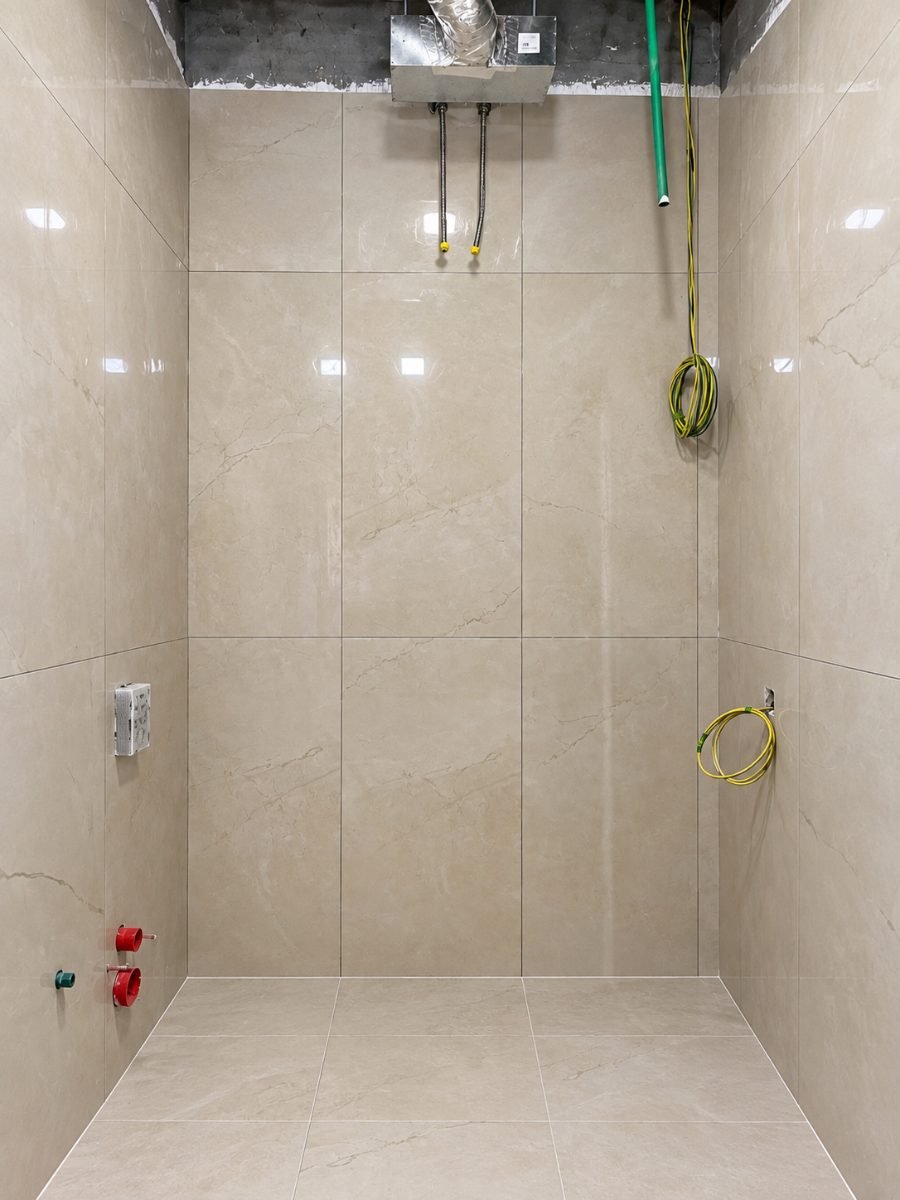
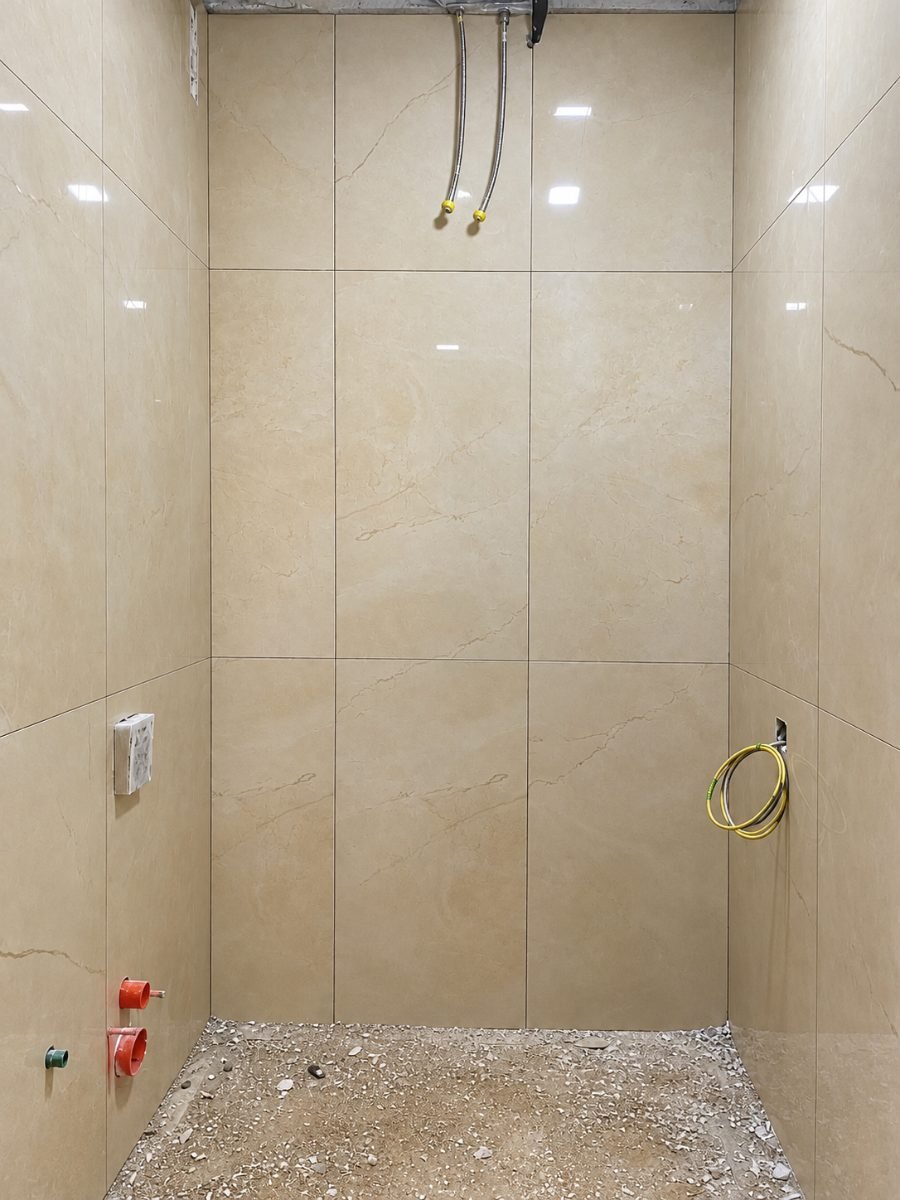
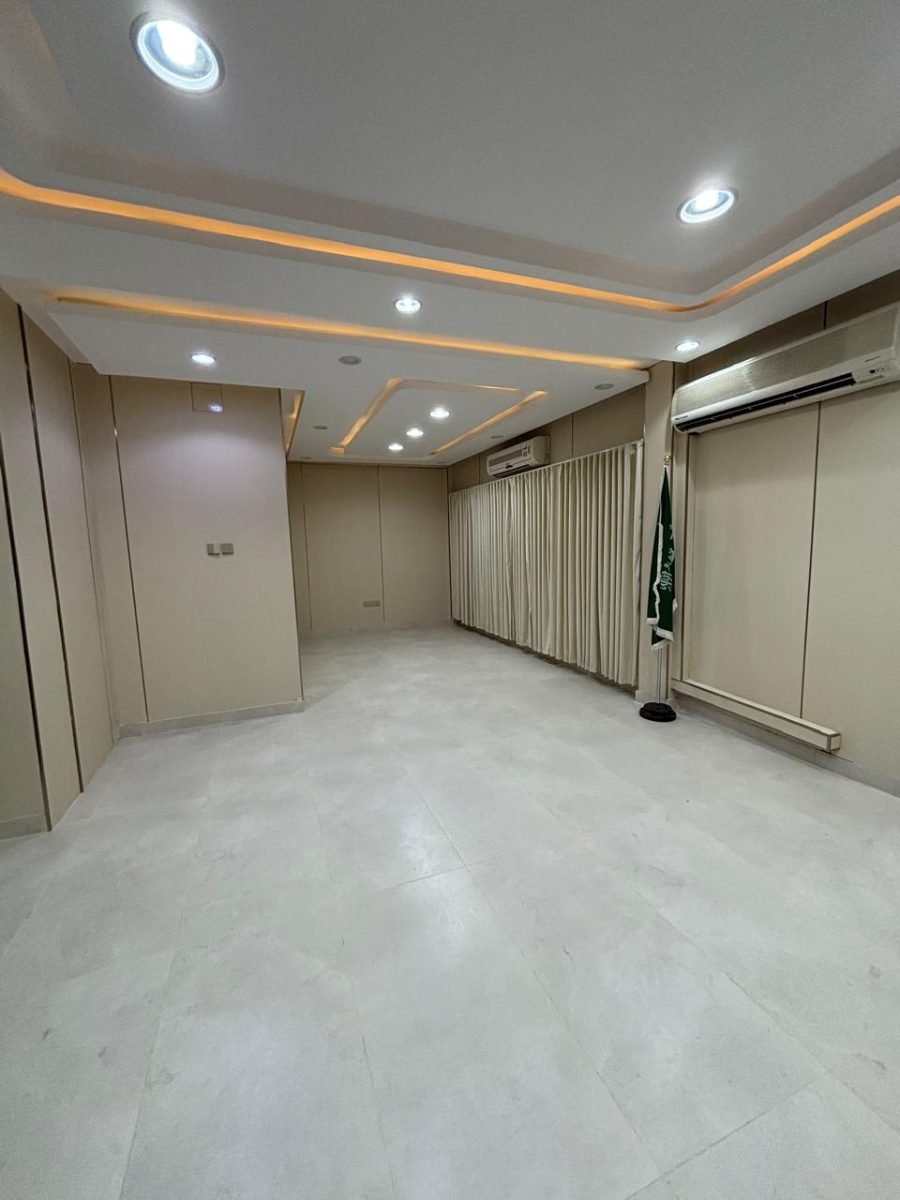
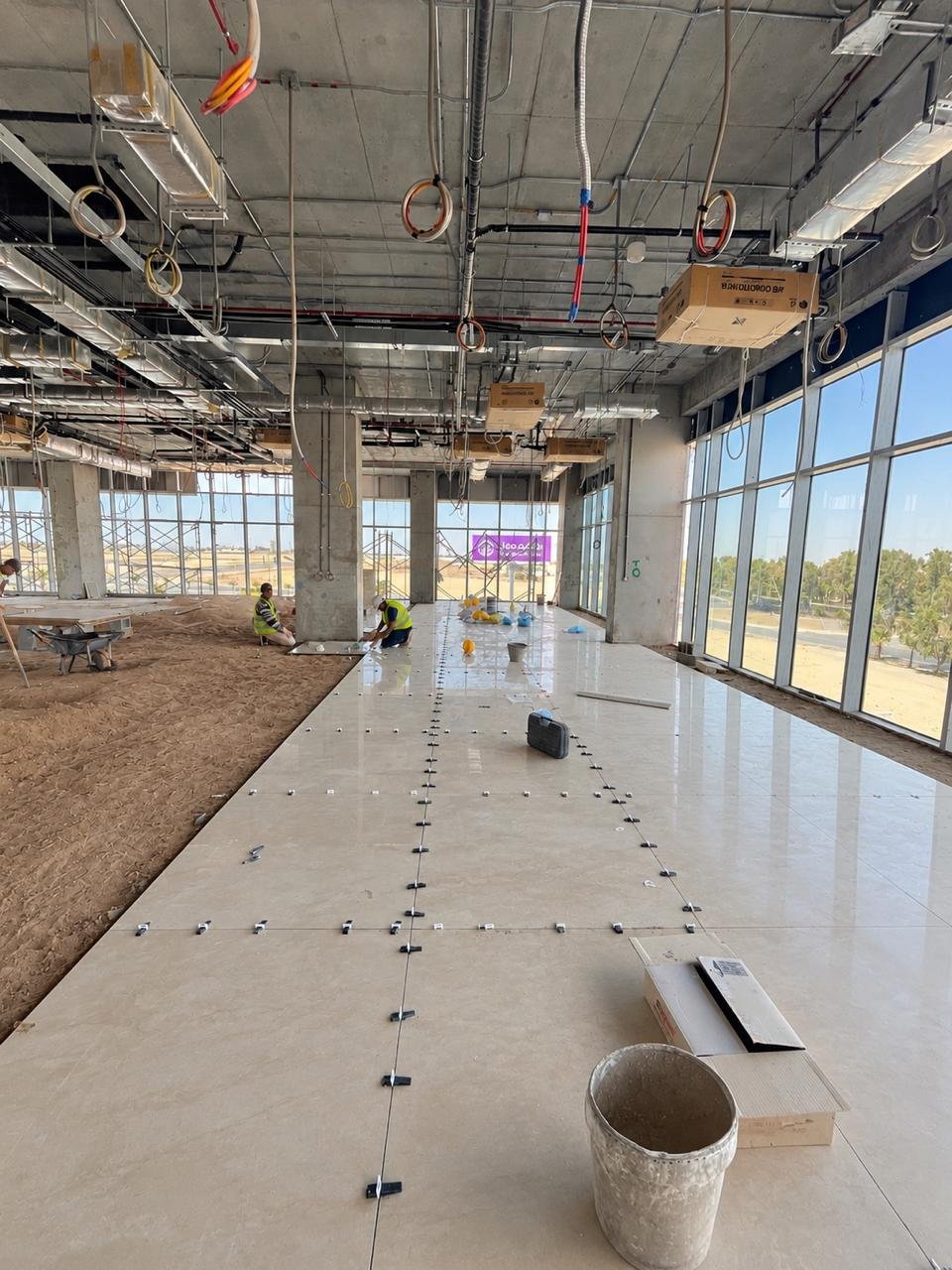
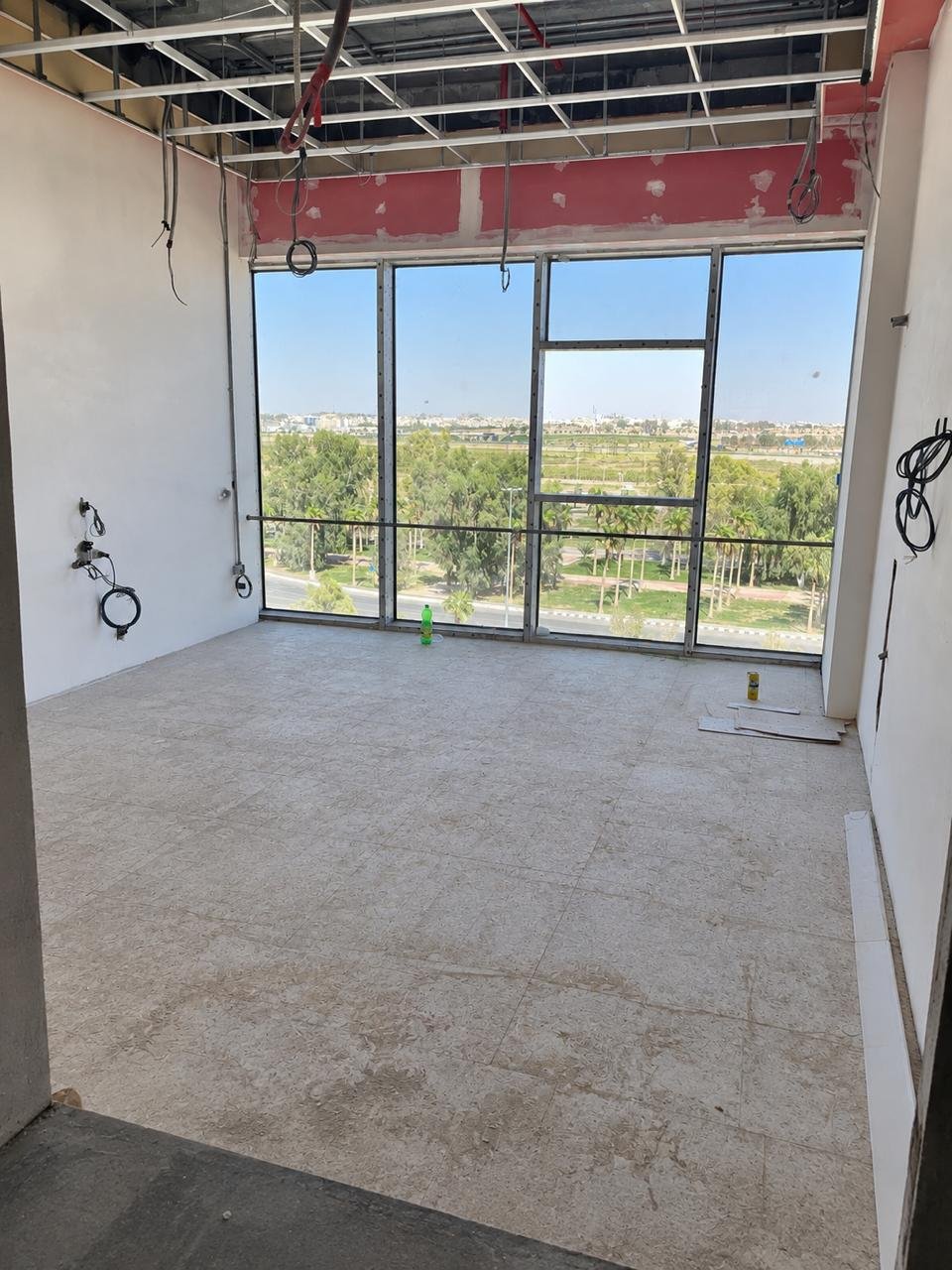
Among our most recent ongoing projects: ceramic and porcelain installation work in the bathrooms of the O Grand Hotel in Arar, overlooking Al-Othaim Mall in the Al-Jawhara district. The project is still underway, and the following images document the actual installation stage before final finishing.
Why You Get Higher Quality and Fair Pricing With Us
We don't compete to be the absolute cheapest — we compete to offer the best value for the price, and that difference comes from tangible factors:
- One team instead of multiple subcontractors: we carry out porcelain and ceramic work within our own in-house team, instead of multiple subcontractors that raise costs and make quality follow-up and accountability harder.
- Permanent field presence: working directly without needing to bring teams from other cities reflects on cost and schedule commitment, instead of travel and accommodation burdens added to your bill.
- Clear pricing based on a bill of quantities (BOQ): detailed quotes that show exactly what the price covers, instead of a vague lump sum that may hide items that surface later.
- Post-handover warranty: any issue that appears during the warranty period is handled by the same team that carried out the work, with no referral to a third party.
What Determines the Price of Porcelain Installation?
The price of ceramic or porcelain installation isn't a fixed number — it's determined by several factors the contractor should clearly explain to you before signing:
- Material type and grade: prices differ between economical porcelain and a denser, heat- and moisture-resistant grade, depending on where it will be used (indoor or outdoor).
- Condition of the base floor: if the floor needs leveling or treatment before installation, this is added as a separate, clearly stated line item in the quote.
- Work area and design complexity: simple patterns are faster and less costly than intricate (patterned) designs that require more precise cutting.
- Type of space: outdoor floors need materials and adhesive with higher resistance to temperature swings, which is reflected in the price compared to indoor spaces.
That's why we always recommend requesting a quote based on a bill of quantities (BOQ) that details each item separately, instead of comparing prices based only on a lump sum that may hide substantial differences in quality.
Frequently Asked Questions About Ceramic and Porcelain Installation
Is porcelain always better than ceramic?
Not necessarily. Porcelain is better suited to outdoor floors and heavily-used spaces, while ceramic remains a practical, economical choice for walls and indoor spaces less exposed to friction and moisture.
How long does porcelain installation take for a medium-sized space?
It depends on the work area, the condition of the base floor, and design complexity, which is why we set a clear timeline for each project after a site inspection, rather than giving an inaccurate general estimate.
Can porcelain be installed over old ceramic?
In some cases, yes, after checking the old floor's level and adhesion — but we often recommend removing the old layer if there are signs of hollowness or moisture underneath, to avoid problems later.
Do you offer a warranty on installation work?
Yes, we provide a written post-handover warranty, followed up by the same team that carried out the work, with no referral to a third party.
Do you work on both residential and commercial projects?
Yes, the ABT team carries out ceramic and porcelain installation for residential and commercial projects alike, under the same standards of preparation, inspection, and handover regardless of project size.
I'm looking for specialized workers for ceramic installation, do you provide this service?
Yes. The ABT team includes technical labor specialized and trained in ceramic and porcelain installation, working as one team directly under the company rather than undocumented individual labor, with real quality follow-up and a written warranty on the work.
How to Choose a Reliable Ceramic and Porcelain Installation Company
- Ask to see actual completed projects, not just generic images from the internet.
- Make sure the quote is based on a clear bill of quantities, not just a lump-sum figure.
- Ask specifically about the type of adhesive used and how suitable it is for local climate conditions.
- Check for a written post-handover warranty, not just a verbal promise.
Conclusion
Ceramic and porcelain installation is detailed work that requires real experience with regional climate conditions, not just laying tile. The ABT Contracting team combines precise execution, transparent pricing, and a permanent field presence, delivering higher quality without the client paying an unjustified cost difference.